
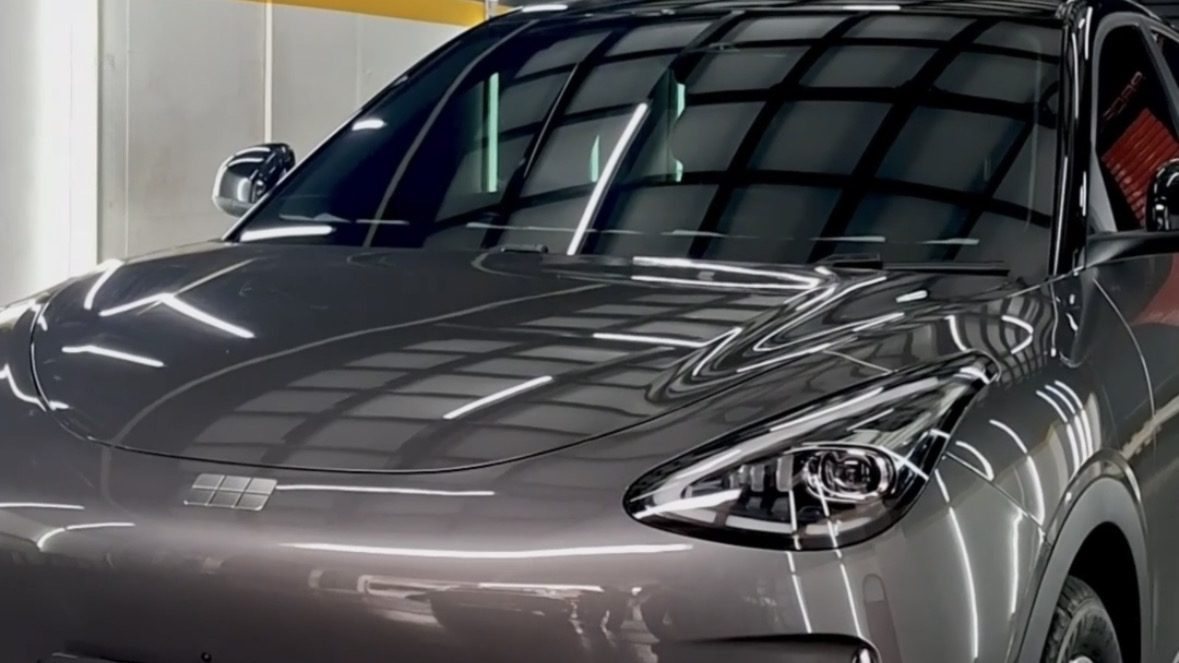
In short: window film differs in how it looks (non-reflective or reflective) and in how it stops heat. Dyed film only adds colour. Metallised and sputtered film use metal to reflect heat. Ceramic and carbon film stop heat without a metal layer. Whatever the type, compare the TSER and UV figures on the spec sheet.
Non-reflective vs reflective
The easiest difference to see is how the film looks from outside:
- Non-reflective: plain black, with no mirror effect. A clean look for people who want the glass to look neat without shine. Examples are Miracle Black and Miracle HR.
- Reflective: reflects part of the light, so from outside it looks mirror-like and it is hard to see into the car or room by day. The reflection also helps reject heat. An example is Miracle Silver.
Miracle LR is black with high heat rejection, for a cooler cabin and daytime privacy.
At night, when the lights are on inside and it is dark outside, neither type hides what is inside any more, so homes and offices still need curtains where privacy matters.
Window film types compared
| Type | How it stops heat | Heat rejection | Look | Phone & GPS signal | Colour & durability |
|---|---|---|---|---|---|
| Dyed | Dye absorbs light | Low | Non-reflective | Not affected | Fades quickly, turns purple |
| Metallised | Metal particles reflect heat | Medium | Reflective | Can be affected | Metal can corrode |
| Sputtered | Thin metal layer applied by sputtering | High | Reflective, may show a rainbow effect | Can be affected | Metal can corrode |
| Ceramic | Ceramic particles absorb infrared | High | Usually non-reflective | Not affected | Stable, no corrosion |
| Carbon | Carbon particles absorb heat | Medium to high | Matte black | Not affected | Stable colour, no corrosion |
The heat rejection categories above are a general picture per technology. Every brand and type differs; always ask for the spec sheet and compare the TSER.
Dyed window film
The first generation of window film. The film is dyed so the cabin looks dark and glare is reduced. Dye only absorbs visible light, so much of the infrared heat still gets in. Over time the dye breaks down in sunlight: the colour fades to purple and the film rejects less and less heat. Cheap, but it usually needs replacing soon.
Metallised window film
The next generation added metal particles that reflect heat. Heat rejection is better than dyed film, but metal can cause a mirror-like reflection, can corrode, and can block phone, GPS and radio signals.
Sputtered window film
Sputtered film uses a sputtering process to lay down a very thin, even metal layer. Heat and infrared rejection are higher as a result. The downside is that the metal can show as a rainbow effect, especially under lights at night, and it can still affect signals.
Ceramic window film
Ceramic film uses ceramic particles that absorb infrared without a reflective metal layer. Because there is no metal, ceramic film does not affect signals and does not corrode. Quality depends a lot on the brand and series, so compare the TSER and infrared rejection figures.
Carbon window film
Carbon film uses carbon particles, which give a stable matte black that does not fade easily. Like ceramic film, it has no metal layer, so it does not corrode or affect signals.
The Miracle series
Miracle Window Film comes in four series with different looks and heat rejection. Their ranges, from the lightest to the darkest shade:
| Series | Finish | Shades | UVR | TSER |
|---|---|---|---|---|
| Miracle Black | Non-reflective black | BLACK 20, BLACK 40, BLACK 60, BLACK 80 | 4–89% | 19–38% |
| Miracle Silver | Reflective silver | SILVER 20, SILVER 40, SILVER 60, SILVER 80 | 73–93% | 28–67% |
| Miracle HR | Black, high heat rejection | HR 40, HR 60, HR 80 | 99% | 47–68% |
| Miracle LR | Black. High heat rejection. | LR 40, LR 60, LR 80 | 99% | 47–68% |
Every series can be fitted to cars and buildings, with an official warranty card (up to 3 years, depending on the series). Compare them all on the products page.
How to choose a type of window film
- Decide your priority: heat rejection, privacy, looks (reflective or not) or price.
- Compare figures, not darkness: look at TSER, infrared rejection (IRR) and UV rejection. They are explained in the window film glossary.
- Think about signal: if your car or office relies on phone signal, e-toll and GPS, ask the dealer whether the film you choose has a metal layer.
- Make sure it is genuine and under warranty: beware of imitation film sold very cheaply, and make sure you get an official warranty card.
- Use an official installer: the installation matters as much as the product. Find your nearest official dealer.
Frequently asked questions
What is the best type of car window film?
It depends on your priorities: heat rejection, privacy, looks or price. Compare TSER (total solar energy rejected) and UV rejection, not just how dark the film is. Dyed film is the cheapest but rejects little heat and fades quickly.
What is the difference between reflective and non-reflective film?
Reflective film reflects part of the light, so from outside it looks mirror-like and it is hard to see into the car or room by day. Non-reflective film does not reflect, so it looks plain black and clean. In the Miracle range, Miracle Silver is the reflective series, while Miracle Black and HR are black without a mirror effect.
Does metallised window film affect phone signal?
It can. A metal layer can block phone, GPS, radio and other signals. Film without a metal layer does not have this problem. If signal matters a lot to you, ask the dealer which series suits you best.
Why does old window film turn purple?
That is typical of dyed film. The dye breaks down in sunlight, so the colour fades to purple and the film rejects less and less heat.